

Projekte
aha: Mit grünem Wasserstoff in die Zukunft
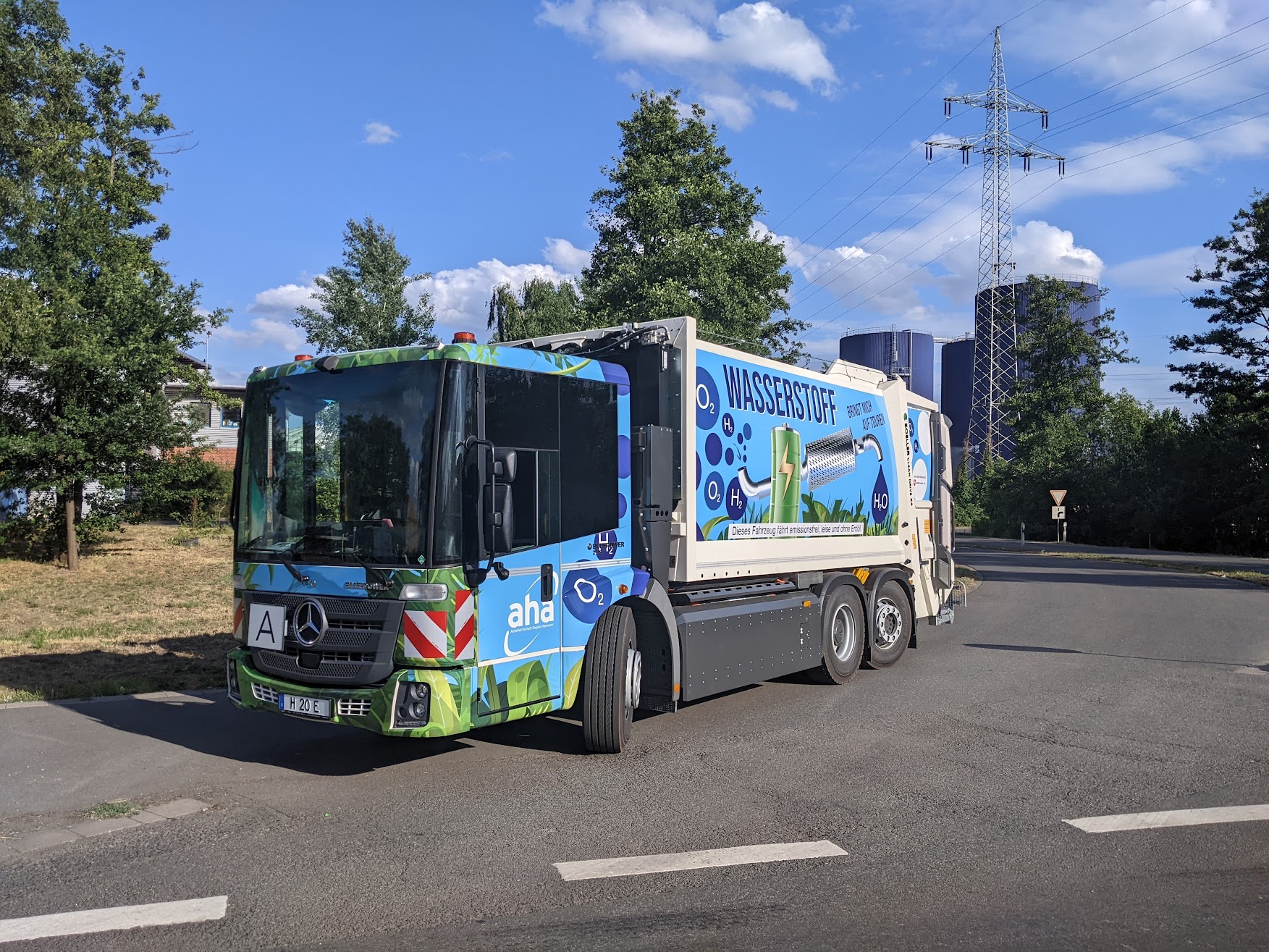
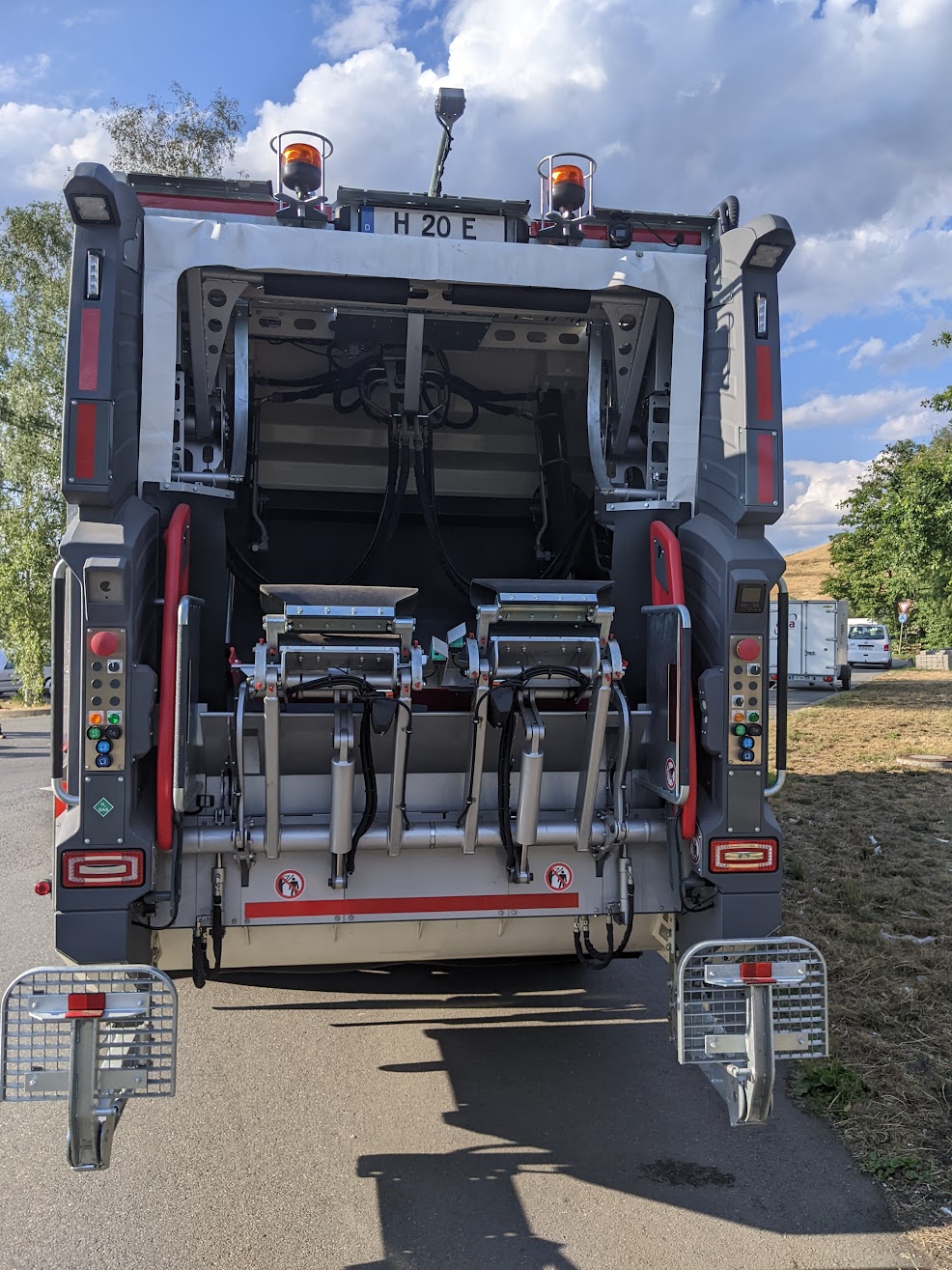
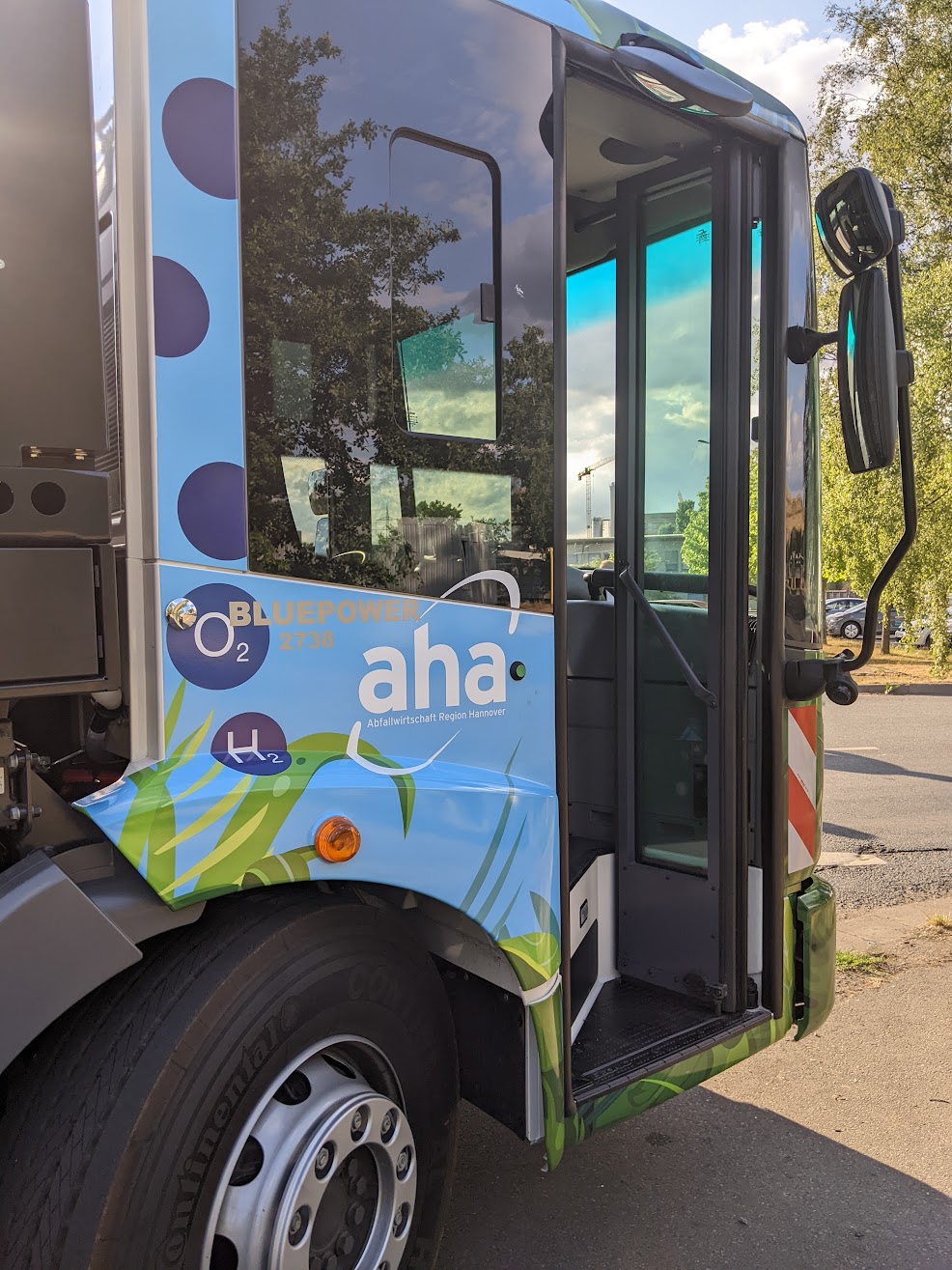
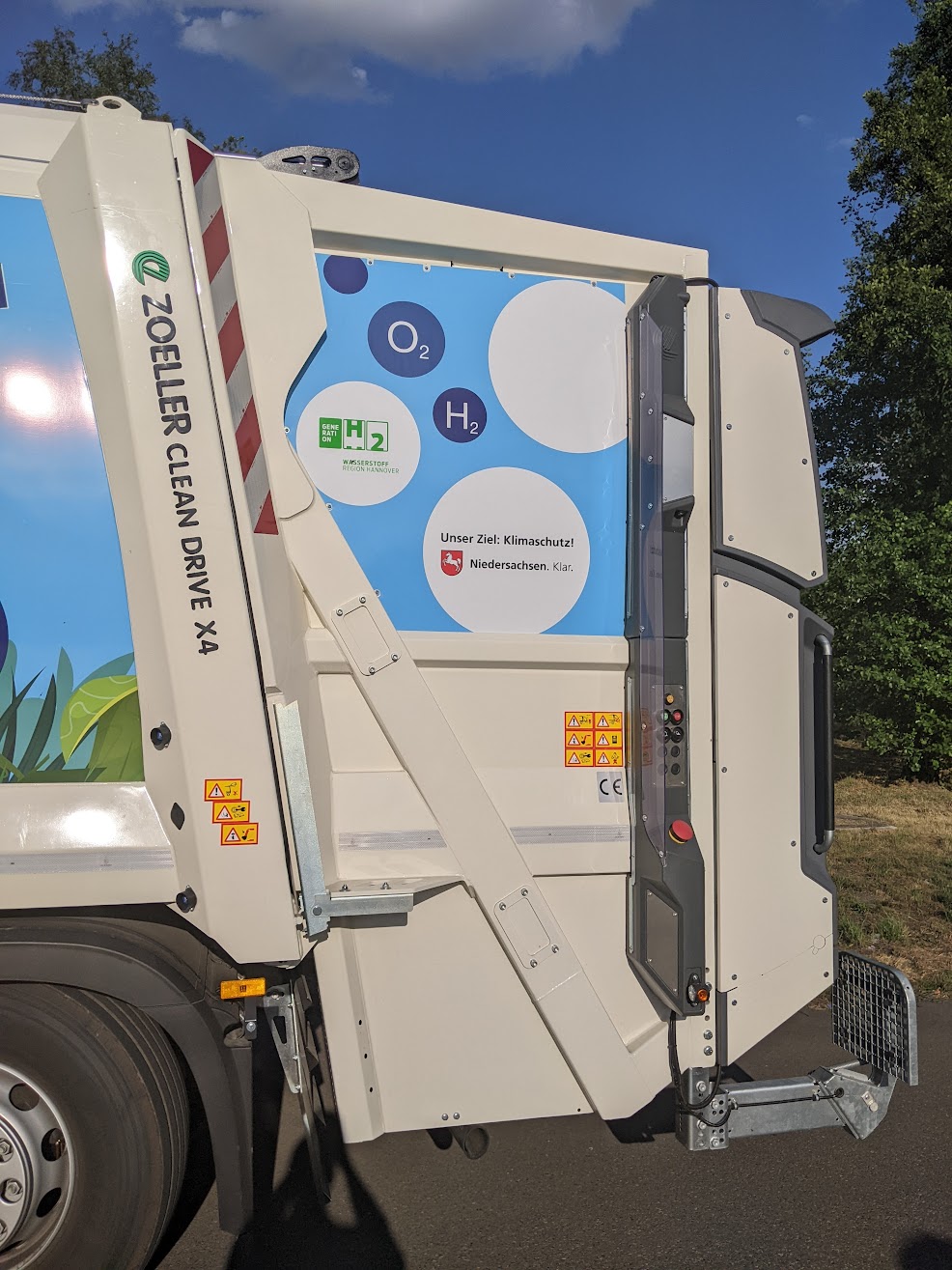
Am Dienstag übergab Umwelt- und Energieminister Olaf Lies der Abfallwirtschaft Region Hannover (aha) einen Förderbescheid über etwa 2,6 Millionen Euro für ein Projekt zur Wasserstoff-Plasmalyse. Im Rahmen des Projekts soll auf dem Betriebsgelände der aha mithilfe von Bio-Methan, das bei der Abfallbehandlung entsteht, grüner Wasserstoff hergestellt werden. Dieser soll dann in der Fahrzeugflotte von aha eingesetzt werden, die zunehmend auf Wasserstoffantrieb umgestellt wird. In diesem Zusammenhang wurde am 05. Juli auch ein neues Brennstoffzellen-Müllsammelfahrzeug näher vorgestellt.
Abfallsammel-Fahrzeuge fahren mit sauberem grünem Wasserstoff, der aus mechanisch-biologischer Abfallbehandlung gewonnen wird. Das ist keine Zukunftsvision, denn genau dies ist der Plan der Abfallwirtschaft Region Hannover (aha): Der komplette Abfallsammelfahrzeug-Fuhrpark soll nach und nach auf brennstoffzellenbetriebene Wasserstofffahrzeuge umgestellt werden. Um langfristig eigene Wasserstofftankstellen an den Fahrzeugstandorten zu versorgen, soll der grüne Wasserstoff auf dem eigenen Betriebsgelände produziert und gespeichert werden.
„Bei der biologisch-mechanischen Abfallbehandlung entsteht Bio-Methan. Dies kann entweder genutzt oder weiterverarbeitet werden. Hier wird aus Bio-Methan Wasserstoff gewonnen, der brennstoffzellenbetriebene Abfallsammel-Fahrzeuge bewegt. Das bringt die Wasserstoffmobilität voran, die bei Nutzfahrzeugen mit hohem Energiebedarf eine sinnvolle Lösung ist. Das fördern wir als Wasserstoffland Nr.1 sehr gerne. Ich bin überzeugt, dass die Regionspolitik das Projekt für aha freigeben und erfolgreich begleiten wird“, sagt Olaf Lies, Niedersächsischer Minister für Umwelt, Energie, Bauen und Klimaschutz, anlässlich der Förderbescheid-Übergabe von zirka 2,6 Millionen Euro an aha.
Kreislaufansatz zur Produktion von grünem Wasserstoff
Partner des Projekts, das einen nachhaltigen Kreislaufansatz zur Produktion von grünem Wasserstoff verfolgt, sind der Forschungs- und Entwicklungspartner Graforce GmbH aus Berlin und die Klimaschutzagentur Region Hannover gGmbH. Regionspräsident Steffen Krach betont: „Ziel ist es, den öffentlich-rechtlichen Entsorger langfristig nachhaltig aufzustellen. Die Klimaziele gelingen nur, wenn eine leistungsfähige Klimawirtschaft entwickelt werden kann. Auf dem Weg zur klimaneutralen Region Hannover setzen wir mit diesem Projekt einen mutigen Meilenstein für eine kohlenstofffreie Wirtschaft im Rahmen der Energiewende.“
Bisher wird auf der Deponie Hannover Methangas in Blockheizwerken verstromt. „Das Methan stammt aus den ausgasenden Abfällen des Deponieberges sowie aus der biologischen Abfallbehandlungsanlage“, sagt Christine Karasch, Regionsrätin und Dezernentin Umwelt, Planung und Bauen. „Durch die Vergärung von Rest- und Bioabfällen wird Methangas gewonnen, das durch die Bio-Methan-Plasmalyse mittels Hochvolttechnik zu Wasserstoff und zu Kohlenstoff umgewandelt wird.“ Im Vergleich zur herkömmlichen Erzeugung von Wasserstoff benötigt die Plasmalyse nur ein Viertel der Energiemenge.
34,5 Tonnen CO2-Ersparnis pro Jahr
„Mit dem neuen wasserstoffbetriebenen Müllwagen können täglich 132 Kilogramm CO2 eingespart werden, das sind ca. 34,5 Tonnen im Jahr. Damit setzen wir einen Meilenstein beim Thema Emissionseinsparung“, erklärt aha-Geschäftsführer Thomas Schwarz. „Denn die EU-Richtlinie zur Beschaffung emissionsarmer Fahrzeuge „Clean vehicle directive“ in Verbindung mit dem „Saubere-Fahrzeuge-Beschaffungs-Gesetz“ legt bis 2025 eine verbindliche Quote für die Neubeschaffung emissionsfreier Fahrzeuge fest. Damit reduziert aha Kohlendioxidemissionen und damit den Ausstoß von Treibhausgasen in die Atmosphäre.“
aha setzt im Raum Hannover täglich 230 Abfallsammelfahrzeuge ein, die eine Fahrstrecke zwischen 80 und 120 Kilometern zurücklegen und durchschnittlich 55 Liter Diesel je 100 Kilometer verbrauchen. „Im Gegensatz dazu reichen bei den ebenfalls vom Land Niedersachsen geförderten Wasserstofffahrzeugen rund zwölf Kilogramm Wasserstoff für zwei Sammeltouren von jeweils acht Stunden“, sagt Frank Bier, stellvertretender Leiter der Abfall- und Wertstoffsammlung aha. „Mit 10,5 Tonnen Zuladung kann das Fahrzeug ebenso viel Abfall wie ein herkömmliches Müllfahrzeug zuladen.“
Bildergalerie zur Übergabe des Förderbescheids



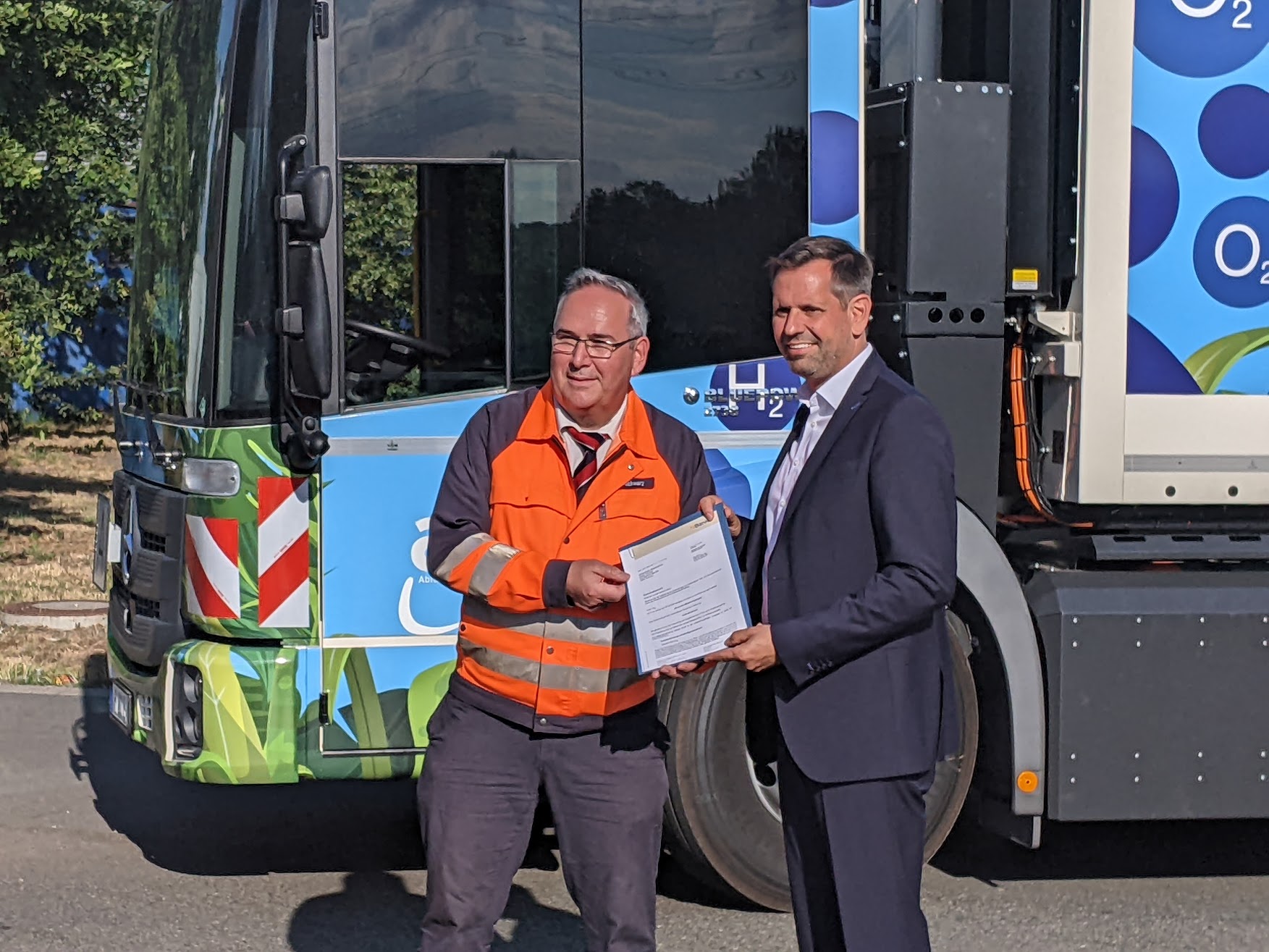
Umwelt- und Energieminister Olaf Lies (rechts) übergab am Dienstag den Förderbescheid an Thomas Schwarz von der aha. Bild: NWN
Bleiben Sie informiert – mit unserem Newsletter „NWN direkt…“
Sie möchten über diese und andere spannende Wasserstoff-Projekte aus Niedersachsen informiert bleiben? Dann melden Sie sich bei unserem Newsletter an!